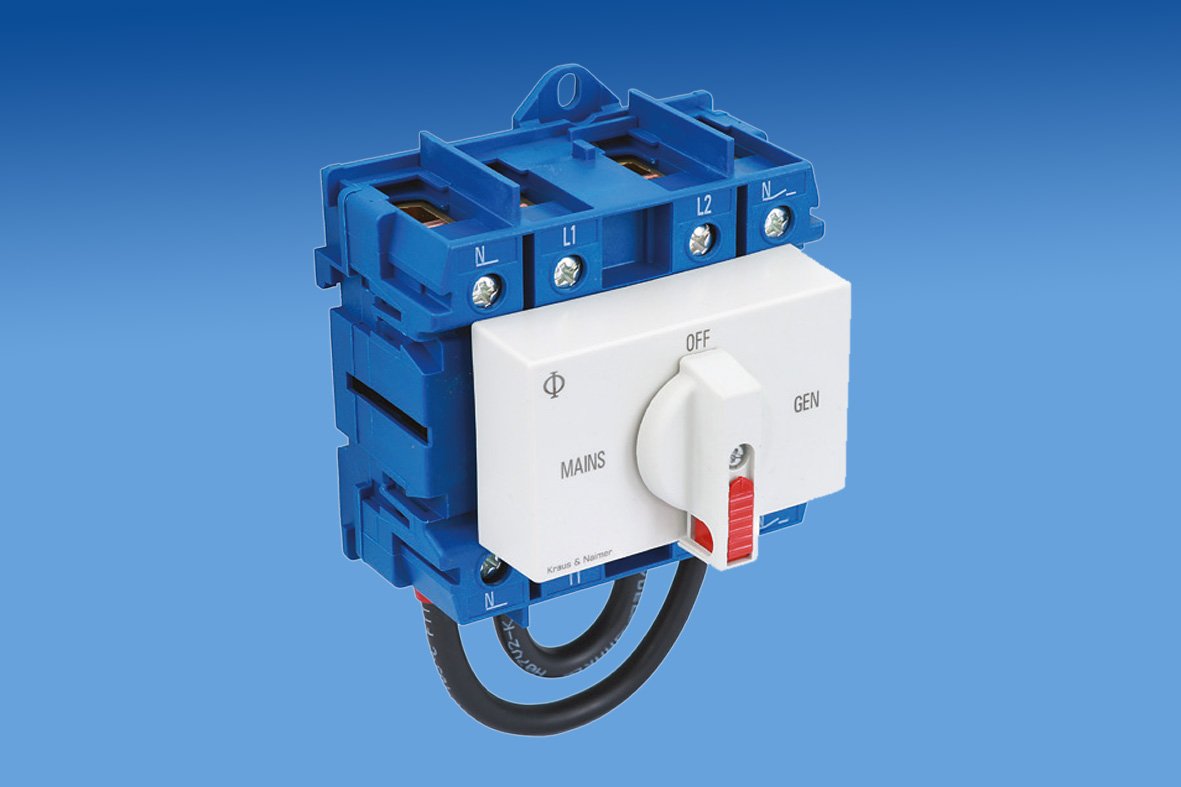
Power outages can plunge your home into darkness and disrupt everything from refrigeration to essential medical devices. While a portable generator offers a powerful solution, simply plugging it into a wall outlet is a dangerous gamble, risking electrocution, fire, and severe damage. Safely integrating a generator into your home's electrical system hinges on proper Generator Connection Methods: Transfer Switches, Interlocks & Power Inlets. These essential components are your non-negotiable safeguards, ensuring you get the power you need without endangering utility workers or your family.
This guide will demystify these critical devices, helping you understand how they work, why they're mandated by electrical codes, and which option might be the best fit for your home and budget.
At a Glance: Quick Takeaways for Safe Generator Power
- Never "Backfeed": Directly plugging a generator into a wall outlet can send electricity back onto the utility grid, potentially electrocuting utility workers or damaging your home's electrical system.
- NEC Mandate: The National Electrical Code (NEC) requires a physical barrier or switching mechanism to prevent utility and generator power from connecting simultaneously.
- Interlock Kit: A mechanical device installed in your main electrical panel. It physically prevents both the main utility breaker and the generator breaker from being "ON" at the same time, allowing your generator to power any circuit in your home (one at a time, within its capacity).
- Manual Transfer Switch (MTS): A separate sub-panel wired for 6-10 specific "essential" circuits. You manually switch these circuits between utility and generator power.
- Automatic Transfer Switch (ATS): Automatically detects outages, starts your standby generator, and switches power, then reverts when utility power returns. Most common with whole-home standby generators.
- Power Inlet: A weather-rated outdoor receptacle where you plug in your generator, connecting it safely to either your interlock kit or transfer switch.
- Professional Installation is Key: All these methods require a qualified electrician for safe, code-compliant installation.
The Hidden Danger: Why You Can't Just Plug It In
Imagine the scenario: the power goes out, and you grab your portable generator, fire it up, and run a heavy-duty extension cord from the generator directly to an appliance. That's fine for isolated items. But what if you want to power multiple appliances, or even your furnace? The temptation to run an extension cord from the generator into a wall outlet in your home – a practice known as "backfeeding" – is incredibly dangerous.
Backfeeding sends electricity in reverse through your home's wiring, out onto the utility grid. For lineworkers trying to restore power, a backfeeding generator can turn a supposedly de-energized line into a lethal trap. It can also damage your home's wiring and sensitive electronics. This isn't just a recommendation; it's why the National Electrical Code (NEC) strictly mandates a mechanism to prevent utility and generator power sources from ever interconnecting.
Your solution must ensure absolute physical isolation, guaranteeing that either utility power is flowing, or generator power is flowing – but never both, and never generator power flowing out to the grid.
Method 1: The Mechanical Guardian – Interlock Kits
An interlock kit is often the most budget-friendly and flexible solution for homeowners using a portable generator. Think of it as a clever mechanical gatekeeper for your main electrical panel.
What an Interlock Kit Is and How It Works
An interlock kit is a simple, yet ingenious, mechanical safety device. It's a sliding plate that an electrician installs directly onto the front cover of your main electrical service panel. This plate is specifically designed to interact with two key circuit breakers:
- Your main utility disconnect breaker: This is the large breaker that controls all incoming utility power to your home.
- A dedicated two-pole generator backfeed breaker: This breaker is installed in your panel specifically to accept power from your generator.
The magic of the interlock plate lies in its design: it physically restricts the movement of these two breakers. You can only turn one to the "ON" position at a time.
When the power goes out, here's the sequence: - You first manually switch your main utility breaker to the "OFF" position. This physically allows the interlock plate to slide.
- Once the plate slides, it then permits you to turn the dedicated generator breaker to the "ON" position.
- Generator power, usually brought in through a dedicated outdoor power inlet and wired to this generator breaker, then flows onto the main bus bars of your electrical panel.
This setup means your sufficiently sized generator can now potentially power any circuit in your entire panel. You would then selectively turn on individual circuit breakers in your panel (e.g., refrigerator, furnace, a few lights) that you want to power, carefully managing your generator's output capacity to avoid overload.
Pros and Cons of Interlock Kits
Pros:
- Cost-Effective: Typically the most affordable option, with parts ranging from $50-$150.
- Full Panel Flexibility: Allows your generator to distribute power to any circuit within your main electrical panel, giving you control over which loads to prioritize simply by flipping individual breakers.
- Simpler Operation (Once Installed): The process is straightforward: turn utility off, turn generator on, then manage individual circuits.
- Space-Saving: Since it's installed directly on your existing panel, it doesn't require additional wall space like a separate transfer switch enclosure.
Cons: - Panel Specific: Interlock kits must be specifically approved and listed for your existing electrical panel's brand and model. This means you can't just pick up any interlock kit; it has to match your panel perfectly.
- Internal Modifications: Installation requires opening your main electrical panel and making internal modifications, which absolutely requires a qualified electrician.
- Manual Operation: You still need to manually switch the main breaker off, then the generator breaker on.
- Load Management is Manual: You are responsible for ensuring you don't overload your generator by turning on too many high-draw appliances simultaneously.
Installation Considerations
An interlock kit installation is not a DIY project. It involves working inside your main electrical panel, where lethal voltages are present. A qualified electrician will ensure:
- The kit is the correct, listed model for your panel.
- A dedicated two-pole generator breaker is correctly installed.
- A proper power inlet box is wired to the generator breaker.
- All work complies with local electrical codes.
Method 2: Dedicated Power Management – Manual Transfer Switches (MTS)
A manual transfer switch (MTS) takes a different approach to safe generator connection. Instead of controlling the entire panel, it creates a dedicated pathway for a select group of critical circuits.
What a Manual Transfer Switch Is and How It Works
A manual transfer switch is a separate electrical device, often housed in its own enclosure, installed either adjacent to your main electrical panel or sometimes outside. Think of it as a mini-sub-panel designed specifically to manage power for your most essential circuits during an outage.
Here's how it's typically set up and operated:
- Circuit Selection & Rewiring: During installation, 6-10 (or more, depending on the switch's capacity) essential circuits from your main electrical panel – perhaps your furnace, refrigerator, well pump, and a few lights – are disconnected from the main panel. Their wiring is then rerouted and connected directly into the manual transfer switch.
- Power Toggle: The MTS has a heavy-duty toggle switch (or a series of individual switches, often called "rocker" or "slide" switches for each circuit) that allows you to manually select the power source for these pre-wired circuits. One position is "UTILITY," and the other is "GENERATOR."
- During an Outage: When utility power fails, you start your generator. Then, you simply move the toggle switch (or switches) on the MTS from "UTILITY" to "GENERATOR." This action physically isolates those essential circuits from the utility grid and connects them directly to your generator's power.
- Load Management: Because only the pre-selected circuits are connected, an MTS helps manage the load on your generator, reducing the risk of overload and making it easier to power critical items without constantly monitoring total wattage.
Manual transfer switches are typically factory-assembled and listed under UL 1008, an important safety standard for transfer switch equipment.
Pros and Cons of Manual Transfer Switches
Pros:
- Dedicated Essential Circuits: Focuses generator power precisely where you need it most, preventing accidental powering of non-essential loads.
- Clear Separation: Provides a distinct, physically isolated pathway for generator power to essential circuits.
- Easier Load Management: Since only pre-selected circuits are connected, it's simpler to avoid overloading your generator. You generally just flip the main switch.
- Code Compliance: A widely accepted and often preferred method for safe generator connection.
- Flexibility for Older Panels: Can be a more straightforward installation if your existing main panel is older or doesn't have an approved interlock kit available.
Cons: - Higher Cost: Parts typically range from $500-$1,500, significantly more than an interlock kit, plus more involved installation costs.
- Limited Circuit Selection: You are restricted to powering only the circuits that were pre-wired into the transfer switch. You can't dynamically choose other circuits from your main panel like you can with an interlock.
- Manual Operation: Like interlocks, you still need to manually start your generator and switch the power source.
- More Complex Installation: Requires rerouting specific house circuits, meaning more wiring and labor for the electrician.
- Requires Wall Space: The MTS unit itself will need dedicated wall space, typically near your main panel.
Installation Considerations
Installing a manual transfer switch is a job for a licensed electrician. It involves:
- Selecting the appropriate circuits based on your needs.
- Disconnecting those circuits from your main panel.
- Running new wiring from those circuits to the MTS.
- Wiring the generator input from an outdoor power inlet to the MTS.
- Ensuring proper grounding and adherence to all local electrical codes.
Method 3: Effortless Backup – Automatic Transfer Switches (ATS)
While interlocks and manual transfer switches require your active participation, an automatic transfer switch (ATS) takes the "manual" out of the equation entirely.
What an Automatic Transfer Switch Is and How It Works
An ATS is a sophisticated electrical device that functions without any human oversight. It's the brains behind a whole-home standby generator system. When the utility power fails, the ATS detects the loss, signals your standby generator to start, and then automatically switches your home's electrical load from the utility line to the generator. When utility power is restored, the ATS senses it, switches the load back to the utility, and then signals the generator to shut down.
Pros and Cons of Automatic Transfer Switches
Pros:
- Unparalleled Convenience: No manual intervention required. Power is restored automatically, even if you're not home.
- Seamless Transition: Often provides a near-seamless transition, ideal for critical loads like medical equipment or servers.
- Whole-Home Power: Typically designed to manage power for your entire home, or significant portions, depending on the standby generator's size.
- Ideal for Standby Generators: The perfect partner for a permanently installed standby generator.
- Enhanced Safety: Eliminates any human error in switching between power sources.
Cons: - Highest Cost: Both the ATS unit and the associated standby generator are significantly more expensive than portable generator setups with interlocks or MTS.
- Complex Installation: Requires a specialized electrician and often a gas plumber for the generator connection.
- Not for Portable Generators: While theoretically possible, an ATS is generally overkill and impractical for portable generators. Its primary purpose is with permanent standby units.
When an ATS Makes Sense
ATS units are the go-to choice for:
- Whole-Home Standby Generators: Where continuous, automatic power is desired.
- Critical Environments: Such as hospitals, data centers, or businesses where even a momentary power loss can be devastating.
- Individuals with Mobility Issues: Or those who may not be home during an outage and require automatic power restoration.
Power Inlets: The Generator's Front Door
Regardless of whether you choose an interlock kit or a manual transfer switch, one component remains essential: the power inlet box.
What a Power Inlet Is and Its Role
A power inlet is a weather-rated outdoor receptacle, typically installed on the exterior of your home, usually near your main electrical panel or where your generator will be placed during an outage. It features specialized twist-lock connections designed to safely receive power from your generator via a heavy-duty generator cord.
Think of it as the "front door" through which your generator's electricity safely enters your home's electrical system.
Why Power Inlets are Critical
- Safe Outdoor Connection: It allows you to operate your generator safely outdoors (crucial for carbon monoxide safety) while providing a direct and secure connection to your interlock kit or transfer switch inside.
- Weather Protection: Designed to withstand the elements, ensuring a reliable connection even in adverse weather.
- Code Compliance: It's a key part of a code-compliant generator connection system.
- Eliminates Extension Cord Hazards: No need to run multiple extension cords through windows or doorways, which can be fire hazards or allow exhaust fumes into your home.
The generator cord connects to the power inlet, and the internal wiring from the power inlet then leads directly to your dedicated generator breaker (for interlock kits) or to the manual transfer switch.
Interlock vs. Manual Transfer Switch: Choosing Your Champion
Deciding between an interlock kit and a manual transfer switch often comes down to budget, desired flexibility, and the specific needs of your home. Here's a quick comparison to help you weigh your options:
| Feature | Interlock Kit | Manual Transfer Switch (MTS) |
|---|---|---|
| Cost (Parts) | Low ($50-$150) | Moderate ($500-$1,500) |
| Installation Cost | Lower (internal panel mods, power inlet) | Higher (rewiring circuits, dedicated enclosure) |
| Power Flexibility | Can power any circuit in the main panel | Limited to 6-10 (or more) pre-selected circuits |
| Load Management | Manual (you flip individual breakers) | Easier (dedicated essential circuits) |
| Setup Complexity | Mechanical modification to existing panel | Separate sub-panel, rerouting circuits |
| Best For | Budget-conscious, desire full panel access, occasional use, savvy load managers | Clear essential circuits, ease of load management, more frequent use, older panels |
| Space Required | None (on existing panel) | Dedicated wall space for enclosure |
| Panel Compatibility | Must match specific panel brand/model | Generally compatible with any panel |
| Ultimately, both systems are designed to prevent dangerous backfeeding and meet NEC requirements. Your choice will depend on your priorities. If you value flexibility across your entire home and are comfortable managing individual circuit loads, an interlock kit might be your choice. If you prefer a more defined, "set it and forget it" approach for your most critical circuits, the MTS offers that clarity. |
Essential Steps for a Safe Generator Connection
Getting your generator safely connected is a process that demands expertise. Here's a high-level overview of the steps involved:
- Assess Your Needs: Determine what you absolutely need to power during an outage. This will inform the size of your generator and the type of connection method. Do you need just the fridge and a few lights, or nearly whole-home power?
- Consult a Qualified Electrician: This is the most critical step. A licensed and experienced electrician will assess your home's electrical panel, discuss your power needs, and recommend the best, code-compliant connection method (interlock or MTS). They can also advise on generator sizing based on your selected loads.
- Obtain Necessary Permits: Your electrician will know the local requirements for electrical permits. Never skip this; it ensures inspections and verifies safety.
- Professional Installation: The electrician will install the power inlet, the interlock kit or transfer switch, and all necessary wiring according to NEC and local codes. This is NOT a DIY project due to the risk of electrocution and property damage.
- Test the System: After installation, your electrician will guide you through a test run of your generator and the new connection system, ensuring everything works safely and correctly.
For a deeper dive into sizing and other considerations, our comprehensive guide to generator hookups offers even more detail.
Beyond the Connection: Best Practices for Generator Use
Connecting your generator safely is only half the battle. Responsible operation is equally vital:
- Generator Placement: Always operate your generator outdoors, in a well-ventilated area, at least 20 feet away from windows, doors, and vents to prevent deadly carbon monoxide fumes from entering your home.
- Fuel Management: Store fuel safely in approved containers. Never refuel a hot generator.
- Carbon Monoxide Detectors: Install battery-operated carbon monoxide detectors on every level of your home, especially near sleeping areas.
- Regular Maintenance: Follow your generator's manufacturer guidelines for maintenance, including oil changes and filter replacements. Test it regularly to ensure it's ready when needed.
- Overload Protection: Always be mindful of your generator's wattage capacity. Turn on appliances one by one, starting with the highest draw, and monitor the generator for signs of strain.
Common Questions You Might Have
Navigating generator connections can spark a lot of questions. Here are some common ones:
Can I just use a heavy-duty extension cord to plug my generator into a wall outlet?
Absolutely not. This is backfeeding and is incredibly dangerous. It creates a severe electrocution risk for utility workers and can damage your home's electrical system or even start a fire. The NEC strictly prohibits this practice. You must use an interlock kit or a transfer switch.
Do I really need a professional electrician for this?
Yes, without exception. Installing an interlock kit or a transfer switch involves working with your home's main electrical panel and high-voltage wiring. Mistakes can be lethal, cause fires, and lead to non-compliance with electrical codes, potentially voiding insurance. This is a job for a licensed, qualified electrician.
What about inverter generators? Do they still need a transfer switch or interlock?
Yes. While inverter generators produce cleaner, more stable power, they still output household voltage. To connect any generator, portable or standby, to your home's electrical system, a safe, code-compliant isolation method like a transfer switch or interlock kit is mandatory to prevent backfeeding.
How do I know what size generator I need?
This is a critical question often asked when considering connection methods. Your generator's size (measured in watts) must match the total wattage of the appliances and circuits you intend to power. An electrician can help you perform a load calculation to determine the right size for your needs, ensuring your generator can handle the demand without being overloaded.
Your Next Steps to Power Security
Understanding generator connection methods is the first crucial step toward reliable home backup power. Whether you opt for the versatility of an interlock kit or the dedicated power management of a manual transfer switch, safety and code compliance must be your top priorities.
Don't wait for the next storm to consider your options. Take action now:
- List Your Essential Needs: Jot down every appliance, light, and system you absolutely need running during an outage.
- Reach Out to a Qualified Electrician: Schedule a consultation. They are your best resource for navigating local codes, assessing your panel, and recommending the safest, most efficient solution for your home.
- Budget Accordingly: Factor in not just the cost of the generator, but also the connection method and professional installation.
With the right setup, you can face the next power outage with confidence, knowing your home is safely powered and your family is secure.